A vinyl cut paste board is a construction method, not a single standardized product: cut pressure-sensitive vinyl is applied to a rigid panel, wall, glass surface, or other prepared base. By comparing the graphic method, substrate, exposure conditions, service life, and maintenance demands, you can decide whether it suits a particular corporate sign or whether printed vinyl, acrylic, ACP, flex, or direct-to-wall graphics will perform better.
Key takeaways
- Choose ACP, acrylic, PVC foam, or aluminium based on location and finish.
- Use outdoor-rated vinyl and confirm adhesive performance for Nagpur’s climate.
- Specify artwork, edges, mounting hardware, and installation access before comparing quotes.
What a Vinyl Cut Paste Board Actually Contains
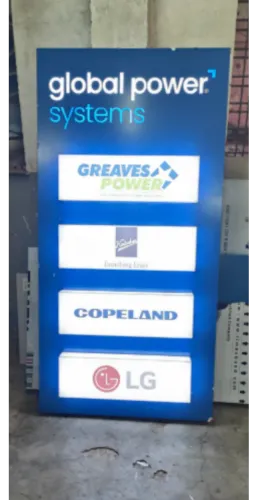
A vinyl cut paste board is an assembly, not a single standardized product. It normally has a rigid substrate such as aluminium composite panel (ACP), PVC foam board, acrylic, or aluminium sheet; pressure-sensitive adhesive-backed vinyl cut into letters or shapes; and the substrate’s rear mounting hardware.
Transfer tape holds the cut pieces together during application and is removed afterward.
The vinyl supplies the visible color and graphic detail, while the board supplies rigidity, edge strength, and mounting support. A frame, stand-offs, or face illumination can be added, but none is automatic. For exterior use, exposed board edges and joints need sealing because vinyl is a face finish, not waterproofing.
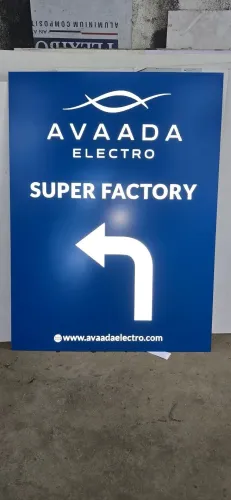
For a vinyl board for corporate office branding, cut film suits solid-color logos, room names, department labels, and short directions. It is the wrong format for photographs, gradients, tiny multicolor detail, or changing variable data.
| Format | Physical construction | Key difference |
|---|---|---|
| Vinyl cut paste board | Rigid panel plus die-cut vinyl graphics | Flat, durable, and suited to repeated labels or branding |
| Self-adhesive vinyl on panel | Vinyl applied across a flat board | May cover the entire face; it is not necessarily cut lettering |
| Printed vinyl | Ink-printed film, often laminated | Handles photographs and gradients |
| Cut lettering | Individual vinyl letters without a defined board | Needs a wall, glass, or separate panel |
| Flex sign | Printed flexible sheet held by a frame | Lighter and often illuminated, but less rigid |
| ACP sign | Aluminium-composite panel, with or without vinyl | Describes the substrate, not the graphic method |
Match the Artwork and Substrate to the Job
Choose cut lettering for solid-colour logos, room names, department labels, and short directional messages. A vinyl board for corporate office branding is a poor choice for photographs, gradients, tiny multicolour details, or variable information; use printed vinyl with protective lamination for those designs.
| Option | What it means | When it applies |
|---|---|---|
| Cut lettering | Separate, solid-colour vinyl shapes that are weeded, transferred, and aligned | Reception logos, room names, department labels, and simple wayfinding |
| Printed vinyl | One printed graphic carrying multiple colours, images, or fine detail | Photographic artwork, gradients, campaigns, and many unique signs |
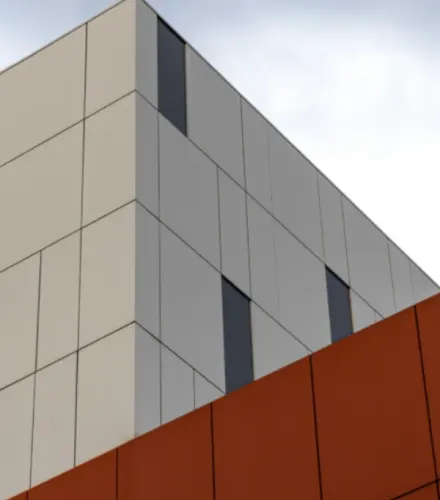
| Aluminium composite panel | Rigid, flat, lightweight board with durable faces and enclosed edges | Exterior or semi-exterior signs requiring stiffness |
| PVC foam board | Lightweight, easily routed rigid sheet | Indoor signs where low weight and moderate impact resistance matter |
| Acrylic or aluminium sheet | Clean premium face, with acrylic offering visual depth and aluminium offering strength | Reception branding, durable panels, or exposed locations |
Each extra vinyl colour adds cutting, weeding, alignment, and application time. Once a logo has several colours or each sign carries different content, printed and laminated vinyl can reduce registration errors and labour.
Specify a 3M vinyl cut paste board in Nagpur by the exact film series, colour, adhesive, substrate, exposure direction, and installation method. “3M vinyl” alone says too little because film series differ in conformability, removability, and outdoor durability.
Keep decorative branding separate from safety and mandatory-direction signs. Check accessibility, fire-safety, and facility-signage requirements before using custom artwork. Seal exposed board edges and joints; vinyl protects the face, not an unsealed substrate.
Account for Nagpur’s Heat, Rain, Dust, and Sun
Nagpur’s fully exposed façades put more stress on vinyl edges than a conditioned office interior. Strong sunlight heats the panel, monsoon moisture reaches weak seams, and airborne dust sticks to adhesive exposed by edge lift.
Classify the installation before choosing the film and board:
- Interior: normal office temperatures and low moisture make this the lowest-risk application.
- Sheltered exterior: use under a canopy or recessed entrance, where rain and direct sun are limited.
- Fully exposed façade: specify an outdoor-rated film, rigid substrate, sealed edges, and an installation method suited to hot surfaces.
Prepare the panel before application. It must be smooth, sound, dry, and free of dust, grease, loose paint, and release agents. Do not apply vinyl over flaking paint, powdery cement, deep texture, or damp ACP; the adhesive will bond to the weak layer and fail with it.
Let newly painted surfaces cure according to the paint manufacturer’s instructions.
Ask the installer to record the film series, colour, adhesive type, application temperature, pressure, and post-installation inspection. A generic “3M vinyl” description does not establish outdoor durability or conformability. The wrong film can shrink, crack, or release at the corners.
Inspect the board after each monsoon and wash it with clean water and mild detergent. Avoid abrasive pads and solvent-heavy cleaners, which can dull the face or attack the adhesive. Replace lifted vinyl promptly; dirt trapped beneath the edge accelerates further failure.
Identify the Corporate Uses That Justify the Format
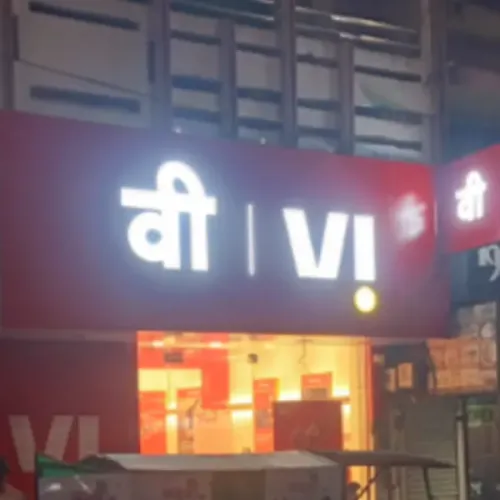
Solid-color logos, room names, department labels and short directional messages are the clearest reasons to choose a vinyl cut paste board for corporate offices in Nagpur. The board gives you repeatable dimensions, clean alignment and easier replacement than graphics bonded directly to a wall.
Use the format for:
- Reception branding with a single-color or two-color logo
- Department and meeting-room identification across multiple floors
- Office-front branding where a leased wall must remain easy to restore
- Wayfinding, parking labels and non-mandatory facility notices
- Short-term campaigns that will run for weeks or months, not change every day
Keep decorative branding separate from safety and mandatory-direction signs. Fire exits, accessibility signs and regulated warnings may require specified symbols, contrast, mounting heights or materials; a branded cut-vinyl board is not an automatic substitute.
| Option | Best application | Choose another format when |
|---|---|---|
| Vinyl cut paste board | Flat-panel logos, room labels and short messages | The artwork needs photographs, gradients or tiny multicolour detail |
| Printed vinyl on a board | Photographic campaigns, maps and continuous-tone graphics | You need only simple lettering and want less artwork production |
| Direct-to-wall vinyl | Smooth painted walls and lightweight temporary graphics | The wall is textured, leased, weakly painted or must show minimal removal evidence |
| ACP or flex sign with illumination | Exterior visibility, large façades and high-impact branding | The sign needs no structure, lighting or long-distance viewing |
A board is preferable to direct application on rough masonry, while internally illuminated signs suit entrances that must remain visible after dark. Frequent message changes favour interchangeable panels or digital displays.
Specify the Installation Before Comparing Suppliers
Request a written installation specification before comparing quotations for a 3M vinyl cut paste board in Nagpur or custom vinyl signage in Nagpur. “3M” alone does not identify the product: the film series, colour, adhesive type, substrate, exposure orientation, and installation method determine appearance, removal, edge life, and outdoor suitability.
Ask each supplier to attach a method statement covering:
- Artwork separation, cut files, weeding, and transfer-tape type.
- Surface preparation, including cleaning, drying, dust removal, and treatment of painted or textured surfaces.
- Permitted application temperature and humidity ranges, plus the pressure and tools used to apply the vinyl.
- Substrate specification: ACP, PVC foam board, acrylic, or aluminium; include thickness, fire-performance information, edge protection, fixing points, and exposed-joint sealing.
- Post-installation inspection, including bubbles, lifted corners, alignment, colour, adhesion, and photographic records.
- Removal responsibility: who removes the graphic, repairs damage, and accepts liability for pulled paint or adhesive residue.
Separate decorative branding from safety, fire, accessibility, and mandatory-direction signs; a branded board cannot automatically replace a compliant facility sign. O D SERVICES INC ! 7020296858 ! can be evaluated on this same document rather than on a material label.
For leased offices or changing campaigns, ask whether a board-mounted graphic offers cleaner removal than direct wall vinyl.
Frequently asked questions
What does a vinyl cut paste board contain?
It combines a rigid substrate, pressure-sensitive adhesive-backed vinyl cut into letters or shapes, and rear mounting hardware.
Which board material suits a corporate office?
Choose ACP for a lightweight, rigid exterior panel; acrylic for a polished face; PVC foam for lighter indoor use; or aluminium sheet where durability and low weight matter.
How should you account for Nagpur’s heat, rain, dust, and sun?
Specify outdoor-rated vinyl, a substrate suited to moisture and heat, sealed or protected edges, and mounting hardware that keeps the board stable and cleanable.
What should you specify before comparing vinyl signage suppliers?
Provide the artwork file, board dimensions, substrate, vinyl grade and colour, finish, mounting method, installation surface, access conditions, and removal requirements.
Keywords