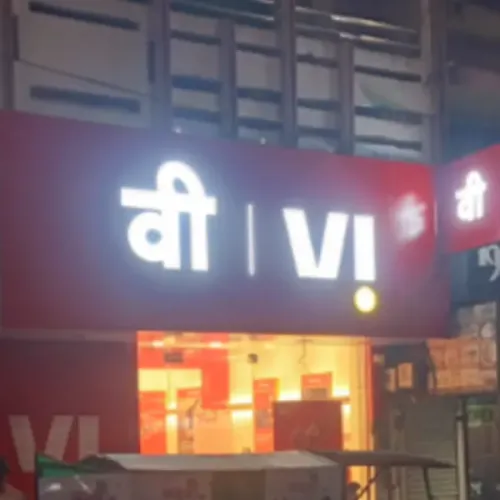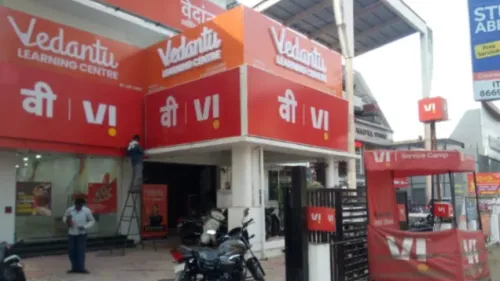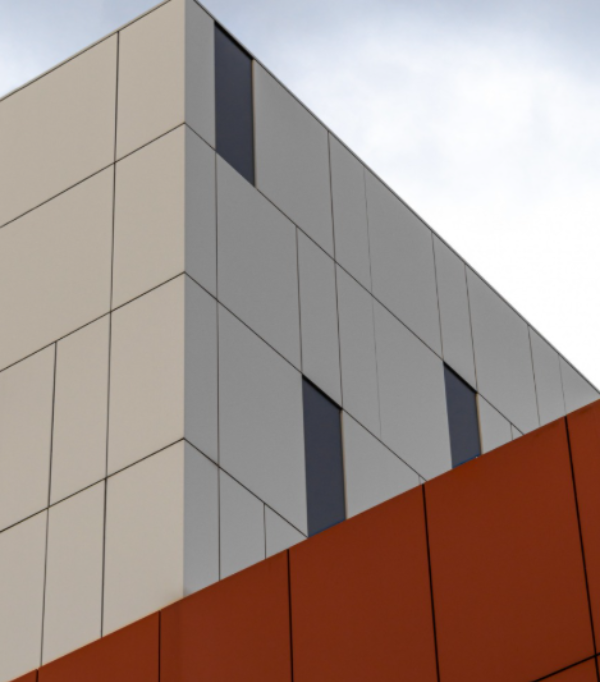
Franchise signage must achieve consistency without ignoring the realities of each property. One outlet may occupy a wide corner unit, another may sit within a narrow retail row, and a third may operate under shopping-centre restrictions. ACP Cladding Sign Boards provide considerable flexibility, but they must be adapted carefully to preserve brand standards across different sites.
A structured approval and production process helps franchise owners avoid colour variation, distorted logos, misaligned panels, and inconsistent illumination.
Begin With the Brand Manual
The brand manual should guide the sign rather than serve as a loose reference. It may define logo proportions, approved colours, typefaces, exclusion zones, sign placement, illumination style, and permissible background finishes.
Fabricators should receive original vector artwork wherever possible. Low-resolution images copied from websites or messaging apps can produce inaccurate shapes and rough edges.
If the brand does not have a technical signage guide, a master specification can be developed for future outlets.
Assess Each Site Individually
Consistency does not mean forcing identical dimensions onto every façade. The brand elements should remain consistent while the supporting structure adapts to the available space.
A site assessment should record:
- Façade measurements
- Column and shutter positions
- Sign viewing directions
- Existing cladding
- Mounting surfaces
- Electrical availability
- Property restrictions
- Installation access
For outlets across Nagpur, surrounding signs and road width can also affect the required letter scale.
Specify the ACP System Clearly
The proposal should identify the ACP finish, thickness, supporting framework, joint pattern, edge details, sealants, and fastening method. Exterior-grade suitability should be confirmed for exposed locations.
Panel joints should align with the architecture and should not cut awkwardly through logos or letters. A carefully planned joint layout gives the façade a more organised appearance.
Colours should be checked using physical samples because screen previews may not represent the installed finish accurately.
Coordinate Letters and Lighting
The illuminated elements may include acrylic letters, channel letters, logos, or backlit metal components. Their depth and construction should support even illumination.
Franchise teams should standardise details such as:
- Letter face colour
- Return depth and finish
- LED colour temperature
- Logo illumination
- Mounting height
- Spacing between elements
- Power supply placement
Without these specifications, outlets produced by different teams can appear noticeably inconsistent at night.
Review a Detailed Mock-Up
A visual mock-up should show the proposed sign on the actual building photograph. It can help stakeholders assess proportions, placement, and colour balance before manufacturing begins.
For a first outlet or revised brand format, producing a material or illuminated letter sample may be worthwhile. This allows the team to review surface finish and light quality before approving a larger rollout.
Evaluate the Manufacturer
A capable provider should be able to explain fabrication details rather than offering only a generic board description. Ask to review relevant work and discuss how site differences will be managed.
Evaluation points include:
- Experience with ACP and illuminated signage
- Ability to interpret brand guidelines
- Site survey process
- Material transparency
- In-house or coordinated fabrication capacity
- Installation planning
- Quality-control procedure
- Service support
- Multi-location consistency
O D SERVICES INC develops ACP cladding and branding structures for franchise and commercial requirements in Nagpur. A provider involved early in the rollout can help establish repeatable specifications while accounting for individual site constraints.
Prepare for Installation and Handover
Before work begins, confirm access timings, electrical readiness, safety requirements, façade completion, and the approved installation area. Shopping centres and managed properties may require permits, worker documentation, or restricted working hours.
After installation, inspect alignment, surface condition, panel joints, lighting consistency, wire concealment, and secure fixing. Photographing the finished outlet creates a useful reference for future locations.
ACP cladding sign boards can create a strong and consistent franchise presence when design control and technical execution receive equal attention. The best results come from a repeatable brand standard supported by accurate surveys, clear specifications, and site-specific planning.
Keywords