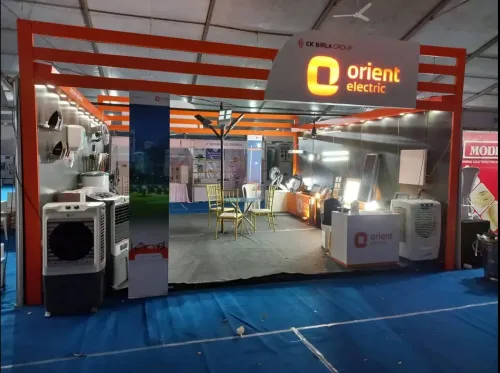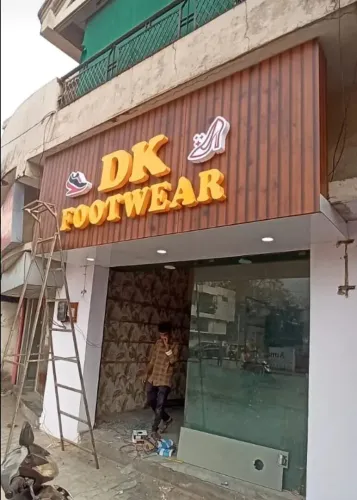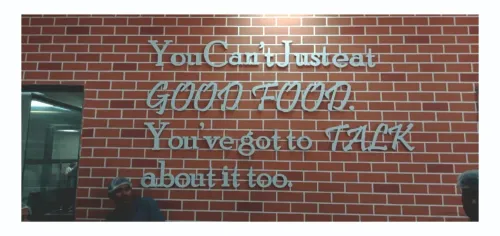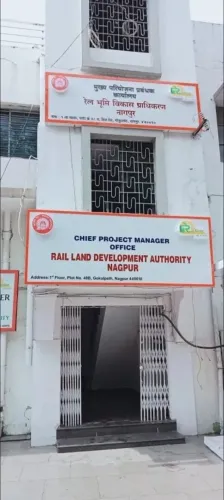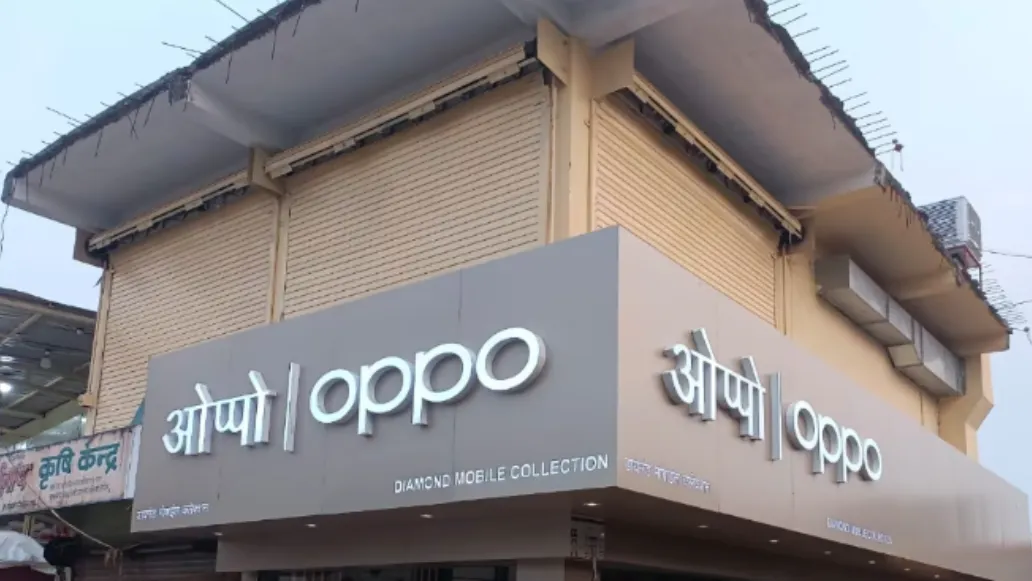
A storefront may look distinctive during the day but become difficult to notice once natural light fades. This is especially common on busy commercial roads where multiple shops, restaurants, clinics, and offices compete for attention. Well-designed Glow Signage Boards solve this problem by keeping a business name and identity clearly visible during evening operating hours.
For businesses in Nagpur, where retail activity often continues after sunset, illuminated signage can support both visibility and brand recognition. The objective is not simply to create the brightest board. Effective signage must remain readable, proportionate, durable, and consistent with the character of the business.
How Glow Signage Works
A glow sign board combines a fabricated sign structure with an internal or external lighting system. Depending on the design, the light may illuminate the entire face, individual letters, a logo, or selected graphic elements.
Common configurations include:
- Internally illuminated box signs
- LED-lit acrylic letters
- Backlit or halo-lit lettering
- Front-lit channel letters
- ACP signboards with illuminated branding
- Combination signs using acrylic, vinyl, and LED modules
LED lighting is widely used because it can provide consistent illumination while consuming less electricity than many older lighting technologies. However, lighting quality depends on module placement, power supply selection, internal wiring, and the distance between the LEDs and the sign face.
Readability Matters More Than Brightness
An extremely bright sign is not necessarily an effective sign. Excessive illumination can create glare, wash out fine details, and make lettering uncomfortable to read from the road.
Good visibility depends on several design factors:
- Letter size appropriate for the viewing distance
- Strong contrast between text and background
- Simple typography without overly thin strokes
- Adequate spacing between letters and design elements
- Balanced lighting across the complete sign face
- Limited information that can be understood quickly
A person passing a shop may have only a few seconds to notice and understand the board. The business name, category, and essential identity should therefore receive visual priority.
Choosing Materials for Outdoor Conditions
A glow sign installed outdoors must handle sunlight, rain, dust, wind, and temperature changes. Nagpur’s hot summers make heat resistance and material stability particularly important.
ACP, acrylic, aluminium, stainless steel, and weather-resistant vinyl are commonly used in signage production. Each serves a different purpose. ACP can provide a rigid background or fascia, acrylic can diffuse light, and metal letters can create a premium architectural appearance.
The correct material combination depends on:
- Installation height
- Exposure to direct sunlight
- Board dimensions
- Desired finish
- Building façade
- Maintenance access
- Expected service life
Using indoor-grade materials for an exposed exterior installation may result in fading, cracking, deformation, or peeling.
Applications Across Different Businesses
Glow signs can be adapted to many commercial environments. Retail shops may use them to increase street visibility, while restaurants can use illuminated names and logos to remain recognisable at night. Clinics and offices may require clean, professional signage that helps visitors locate the entrance.
They are also suitable for:
- Shopping outlets
- Franchise stores
- Hotels and cafés
- Hospitals and diagnostic centres
- Automobile showrooms
- Corporate offices
- Residential and commercial developments
The visual style should match the audience. A children’s store may use bright colours and playful shapes, whereas a financial office may benefit from restrained lighting and precise lettering.
Installation Should Be Planned Early
Electrical routing, structural support, wiring access, and drainage should be considered before fabrication. A large sign placed on a weak or uneven surface can create safety and alignment concerns. Similarly, concealed wiring should remain accessible enough for future inspection.
A professional installation plan should account for the mounting surface, sign weight, wind exposure, nearby electrical points, and safe maintenance access. Local permissions or property-management requirements may also need to be checked before installation.
Manufacturers such as O D SERVICES INC can develop signage according to the available façade, viewing direction, brand artwork, and operating environment. Accurate site measurement is essential because even a visually strong design can look unsuitable when its proportions do not match the building.
Maintaining Consistent Illumination
Dust accumulation, moisture entry, loose connections, and ageing LED modules can reduce sign performance. Periodic inspection helps identify dim sections, flickering, damaged surfaces, and water ingress before they become larger problems.
Cleaning methods should suit the sign material. Harsh chemicals may damage acrylic, printed graphics, or protective finishes.
A successful glow sign works as part of the building rather than appearing attached as an afterthought. When its dimensions, materials, lighting, and placement are properly coordinated, it can make a Nagpur business easier to locate and remember throughout its operating hours.
Keywords